
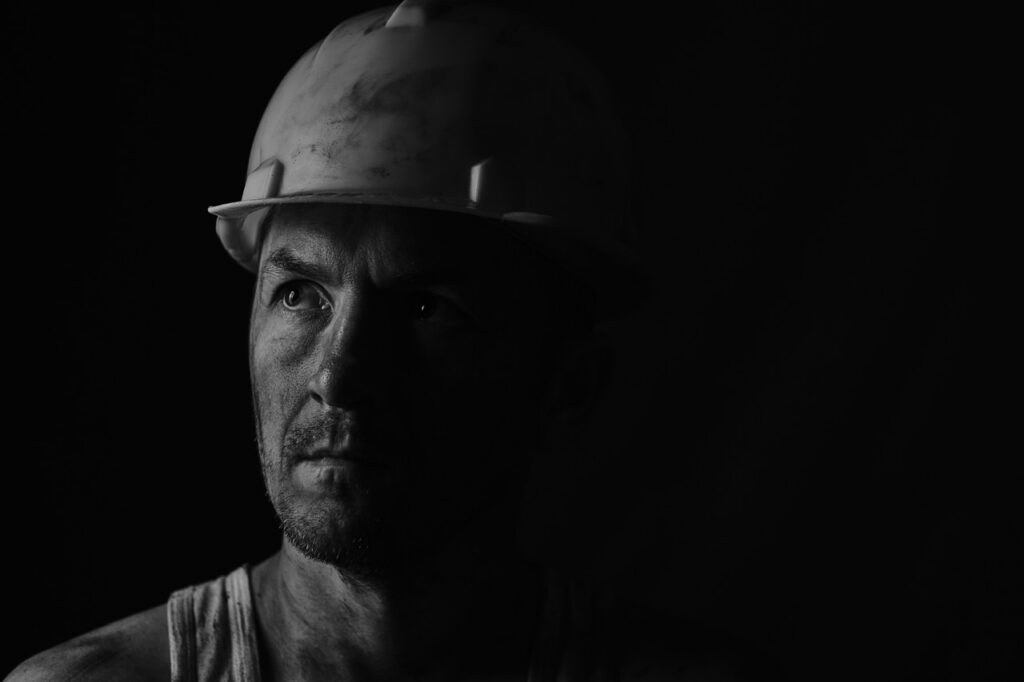
When you spend the majority of your adult life working with your hands, on your feet, and putting strain on your body, you don’t anticipate that the work you dedicated yourself to could make you sick later in life. For many hard-working people, exposure to asbestos on the jobsite has led to devastating illness years after exposure.
What is Asbestos?
Asbestos is made up of a group of six different fibrous minerals, amosite, chrysotile, crocidolite, tremolite, actinolite, and anthophyllite, which all occur naturally in the environment. Asbestos was used primarily in asbestos cement, roofing shingles, ceiling tiles, pipe insulation, brake pads, gaskets, and thermal products.
From Common Usage to Regulation and Banning
- In the 1970s, the Environmental Protection Agency (EPA) began regulating asbestos, banning its use in spray-on applications for fireproofing and insulation as well as certain joint compounds.
- In 1989, the EPA issued the Asbestos Ban and Phase-Out Rule (ABPR) which sought to ban most asbestos-containing products and new uses, but the rule was challenged in court.
- In 1991, the Fifth Circuit Court of Appeals overturned most of the 1989 rule and only kept bans on new uses and specific products including flooring felt, rollboard and some papers.
- In 2024, the Biden Administration finalized a ban on chrysotile asbestos, which is the only type still in production, with a 12-year phase-out for uses including the chlor-alkali industry.
Who May Have Been Exposed?
The highest exposure levels occurred before the late 1970s, but risks continue for workers performing renovations or demolition in older buildings. The most common industries affected include:
- Construction and Building Trades
- Shipyard and Maritime Workers
- Industrial and Manufacturing Workers
- Maintenance and Auto Mechanics
Cause & Effect of Asbestos
Inhaling or ingesting asbestos fibers trigger inflammation and genetic damage in the lining of the lungs or abdomen. For workers, repeated day-to-day exposure before the widespread use of proper safety equipment has been linked to mesothelioma cancer diagnoses years later. Mesothelioma is a rare, aggressive form of cancer. Even family members of workers, who unknowingly brought asbestos fibers home on their clothing, have been diagnosed with the disease.
Mesothelioma symptoms can appear 10–50 years after exposure. Common symptoms include:
- Lung (Pleural): Shortness of breath, chest pain, persistent cough, unexplained weight loss
- Abdominal (Peritoneal): Abdominal pain, swelling (ascites), nausea, bowel habit changes
Treatment Options
Once diagnosed, treatment is available through surgery, chemotherapy, radiation, immunotherapy, and/or targeted therapies. Newer breakthroughs with immunotherapy and cytoreductive surgery with heated chemotherapy (HIPEC) have shown promising results for some patients. While there is no cure, survival rates are dependent on various factors from the location, type, stage, treatment options and overall patient health.
Take Legal Action with Support from Lowe Trial Lawyers
If you or a loved one worked in these industries, are dealing with any of these symptoms or have been diagnosed with mesothelioma, there may be legal action you can take. Due to long latency periods, the statute of limitations for asbestos and mesothelioma claims often does not begin until the illness is diagnosed, rather than when exposure occurred. Our team can help you navigate your case and determine if someone should be held responsible. Contact us for a free consultation and let the experts at Lowe Trial Lawyers determine if you have a viable case.